
Stay with us
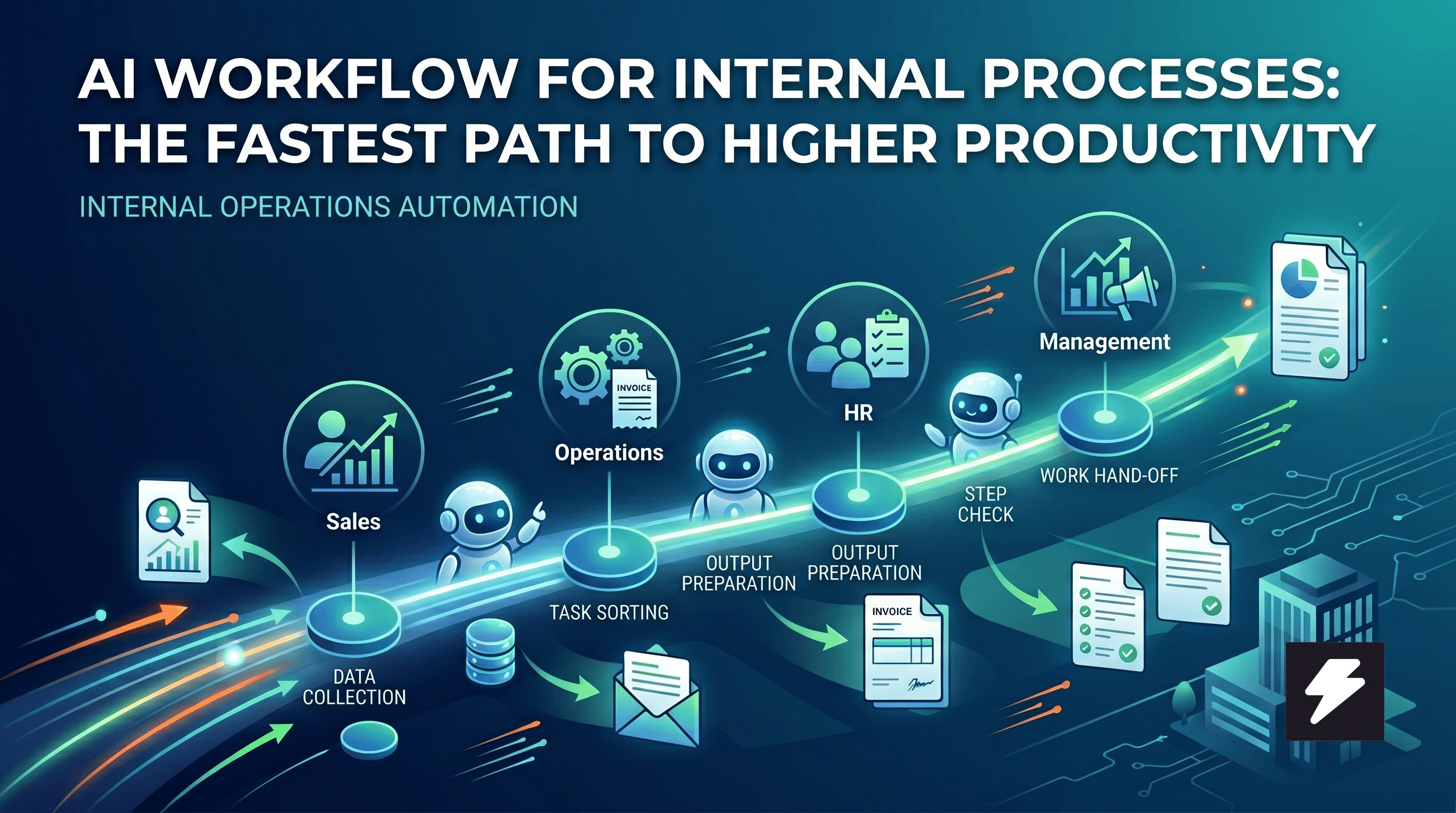
AI Workflows for Internal Processes: The Fastest Path to Higher Productivity
The greatest benefit of AI often doesn't happen on the web. It happens inside the company, where hours vanish every day in repetitive manual work.

Most companies today approach AI from the visible surface-a chatbot, a copilot in the inbox, or a single smart feature on the website. However, the fastest business impact often lies elsewhere: in internal processes that cost dozens of hours of manual labor every week. This is exactly where it makes sense to build small internal systems and workflows on top of your data. Systems that gather background information, sort requests, prepare outputs, monitor dependencies, and speed up tedious operations. The result isn't just saved time. It's a faster company, cleaner operations, and a team that can focus on more important work.
The Biggest AI Opportunity Is Usually Inside the Company
Most companies first think about how to showcase AI to their customers. That's understandable. It's visible, easy to demonstrate, and looks great in a presentation. But in reality, the first truly powerful benefit usually lies elsewhere.
It's inside the company. In internal processes that constantly repeat, consume the time of experienced people, and often consist of manually searching for information, copying data between systems, double-checking, and follow-ups. That is where AI becomes a real operational tool, not just an interesting demo layer.
When a company speeds up its internal workflows, it shortens lead times, reduces administrative burdens, and frees up the capacity of key people. This has a direct impact on both team performance and operational economics. It's not just about getting work done cheaper. It's about stopping people from dealing with routine tasks so they can focus on things that truly drive the business forward.
What to Imagine: Small Internal Systems Built on Top of Your Data
It doesn't have to be a massive transformation platform. Often, a small internal system or workflow connected to your data, documents, and existing tools is enough. Its role isn't to 'chat.' Its role is to help the work actually flow.
This is a practical form of AI that everyday employees will actually use. Not as a technological novelty, but as a work tool that gives them back time every week.
- Gathers background info from multiple sources and prepares an overview for a human.
- Automatically sorts and prioritizes requests.
- Prepares a draft response, report, or internal summary.
- Checks if all steps of a process have been completed.
- Hands off work to the right person for the next step.
- Preserves history and context so nothing gets lost between emails, spreadsheets, and notes.
Where Companies Lose the Most Time: Specific Use Cases
The biggest room for improvement usually doesn't lie in a single massive project. It lies in dozens of smaller tasks that repeat every day and slow the company down bit by bit.
These are the exact tasks that are expensive. Not because they are technically complex, but because they quietly consume the time of qualified people.
- Sales and Business Development: preparing meeting materials, summarizing call notes, enriching CRM data, drafting follow-up emails, comparing new leads against the ICP.
- Operations and Back Office: checking orders, monitoring deadlines, forwarding documents between departments, validating missing information.
- Finance and Administration: pre-processing invoices, matching documents, checking attachments, preparing approval steps.
- HR and Internal Onboarding: preparing onboarding checklists, collecting documents, coordinating start dates, answering recurring internal questions.
- Customer Support and Account Management: sorting tickets, adding context from communication history, suggesting the next step for the agent.
- Management and Reporting: regular internal reports, project status summaries, identifying blockers, preparing weekly overviews.
- Everyday Routine Work: searching for information in emails, documents, and spreadsheets, manually copying data, checking approvals, and handling repetitive internal inquiries.
Six Changes a Well-Designed Workflow Brings
When a workflow is designed correctly, the benefit isn't just measured in 'minutes saved.' The way the company operates changes entirely.
- Less manual, repetitive work: People spend less time copying data, searching for info, and coordinating administrative tasks.
- Faster process throughput: Requests don't get stuck between departments, and fewer things stall just because they were forgotten.
- Higher consistency of outputs: Summaries, documents, reports, and handovers have a clearer structure and depend less on specific individuals.
- Better use of company data: Information stops being scattered across inboxes, chats, and private notes.
- Stronger control and traceability: The company knows where an output originated, who approved it, and the current status of the process.
- More room for important work: The team has more capacity for sales, client care, decision-making, architecture, and company growth.
When It Makes Sense and How We Approach It at TameTeq
Not every automation needs AI. If a workflow is purely deterministic, a traditional integration or simple software is usually better. An AI workflow makes sense where you need to work with language, context, incomplete inputs, and multiple information sources at once.
At TameTeq, we take a pragmatic approach. We don't start by choosing a model. We start by working together to identify the repetitive tasks that are genuinely costing your company time and money. Then, we design the right solution.
Our goal isn't to add AI at all costs. Our goal is to simplify manual labor, speed up the process, and build a solution that truly works in everyday operations.
- Small internal workflows for specific operational tasks.
- Simple internal applications built on top of your data.
- Smart assistants for working with documents, CRM, support, or reporting.
- A combination of traditional software and agentic steps where it makes economic sense.
Where to Start: Let's Find Your Tedious Workflows
If you feel like your team is spending too much time on manual operations, searching for information, copying data, and coordinating between systems, it's very likely that your fastest AI opportunity lies right there.
At TameTeq, we help companies identify, design, and transform these processes into functioning internal workflows and applications built on top of their real data. From simple automations to smarter internal systems that help people get work done faster and with less effort.
If you'd like, we'd be happy to hop on a free discovery call with you. Together, we'll pinpoint bottlenecks, find tedious recurring tasks, and suggest where it makes sense to build an internal workflow or application that relieves your team and gives them back time for more important work.
- Identify 2 to 3 repetitive processes with high time losses.
- Select a workflow with a clear owner and measurable output.
- Design a small pilot.
- Verify the real impact on productivity.
"AI makes the most sense where hours of routine work vanish every week, and where a well-designed internal system can speed up the company without unnecessary chaos."
References
Read next
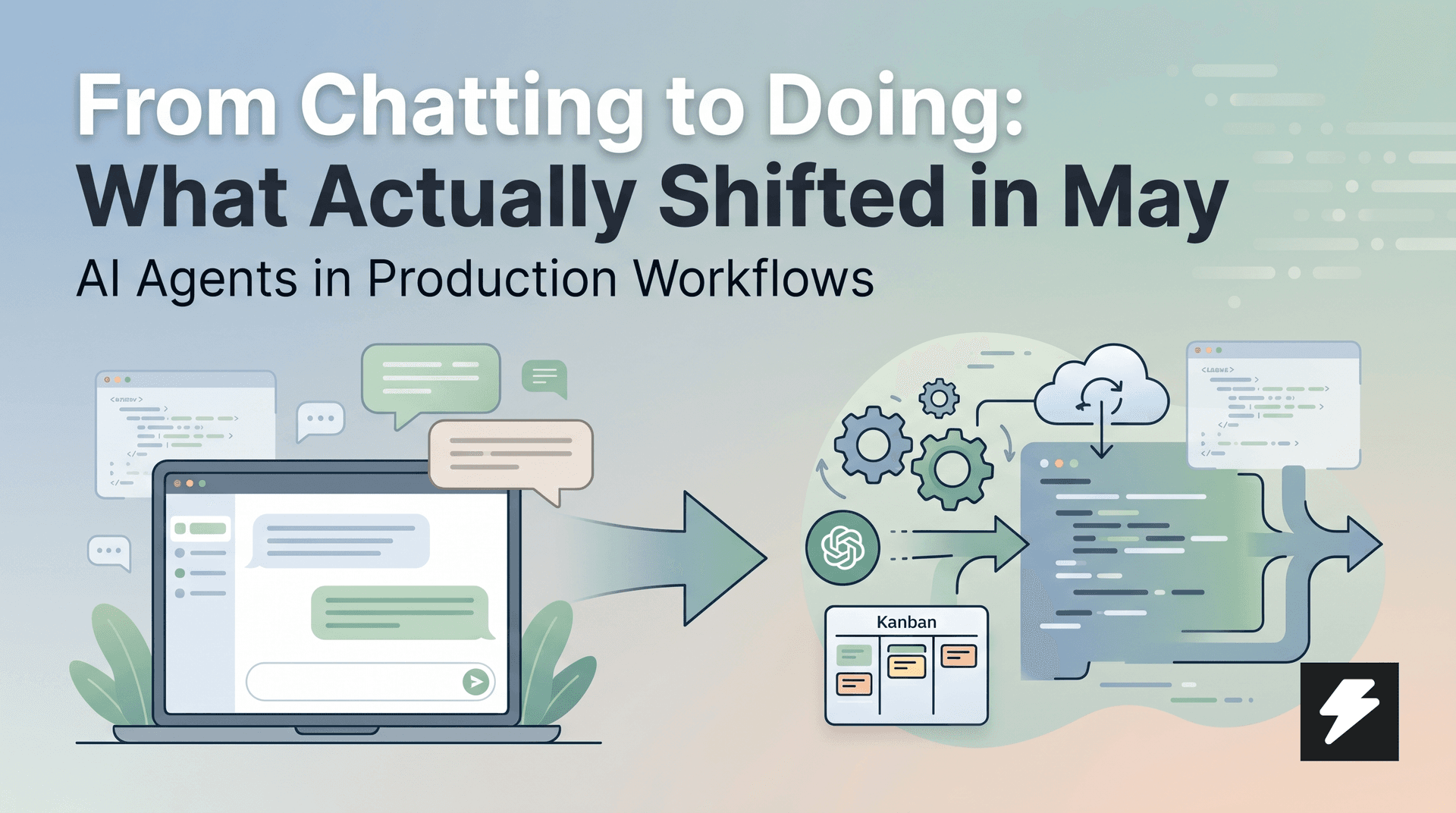
From Chatting to Doing: What Actually Shifted in May
Codex, Claude, Gemini, and Cursor delivered a consistent message in May: agents are moving from chat to production. The focus isn't on a better model, but on environment, governance, and integration with work systems. For companies, this isn't a signal to buy another chat window—it's a signal to rebuild their operating model for AI.
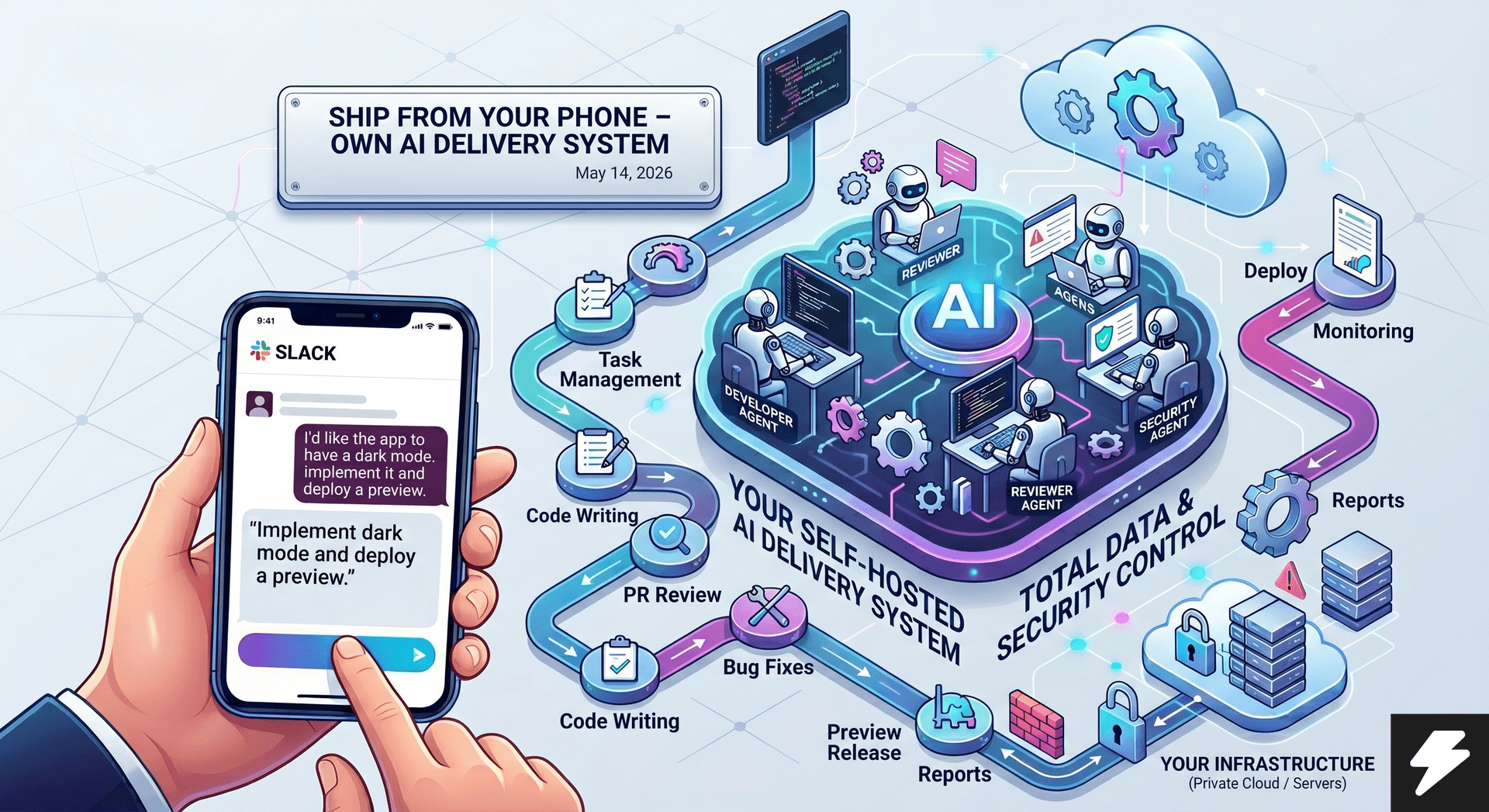
Ship From Your Phone: Your Own AI Delivery System
A single message from your phone triggers the entire delivery engine: PR reviews, incident response, fixes, and preview releases. Within minutes, you get an analysis, a proposed patch, test results, and an audit trail. Everything runs self-hosted, meaning the server, rules, integrations, and data stay fully under your control.
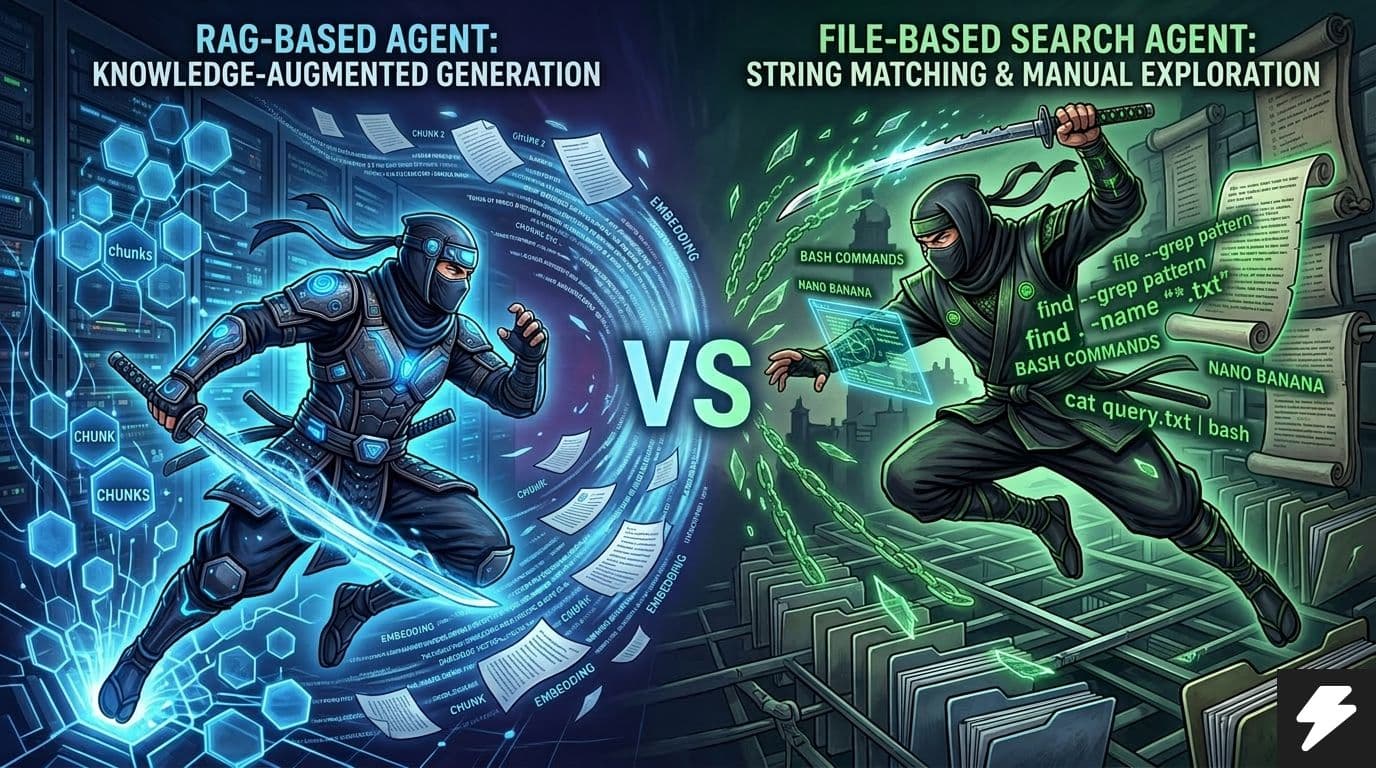
RAG vs. File-Based Agents.
Instead of a simple 'File-based search vs. RAG' debate, a practical comparison is more useful: what starts faster, what offers better control, and what actually scales. This article summarizes current 2026 data and translates it into a straightforward decision-making framework.